

Exploring the Delightful World of Chocolate
Chocolate is a beloved treat enjoyed by people around the world. Its popularity and versatility are undeniable, making it a staple in various desserts, confectionery, and even savory dishes. However, not all chocolate is created equal, and understanding the different types and varieties is essential for both enthusiasts and aspiring chefs. In this comprehensive guide, we will take you on a journey through the wonderful world of chocolate. From its rich history to the intricate details of each variety, this blog post aims to provide you with a wealth of knowledge. So, grab a piece of your favorite chocolate and join us as we embark on this delectable adventure.
An Overview of Chocolate
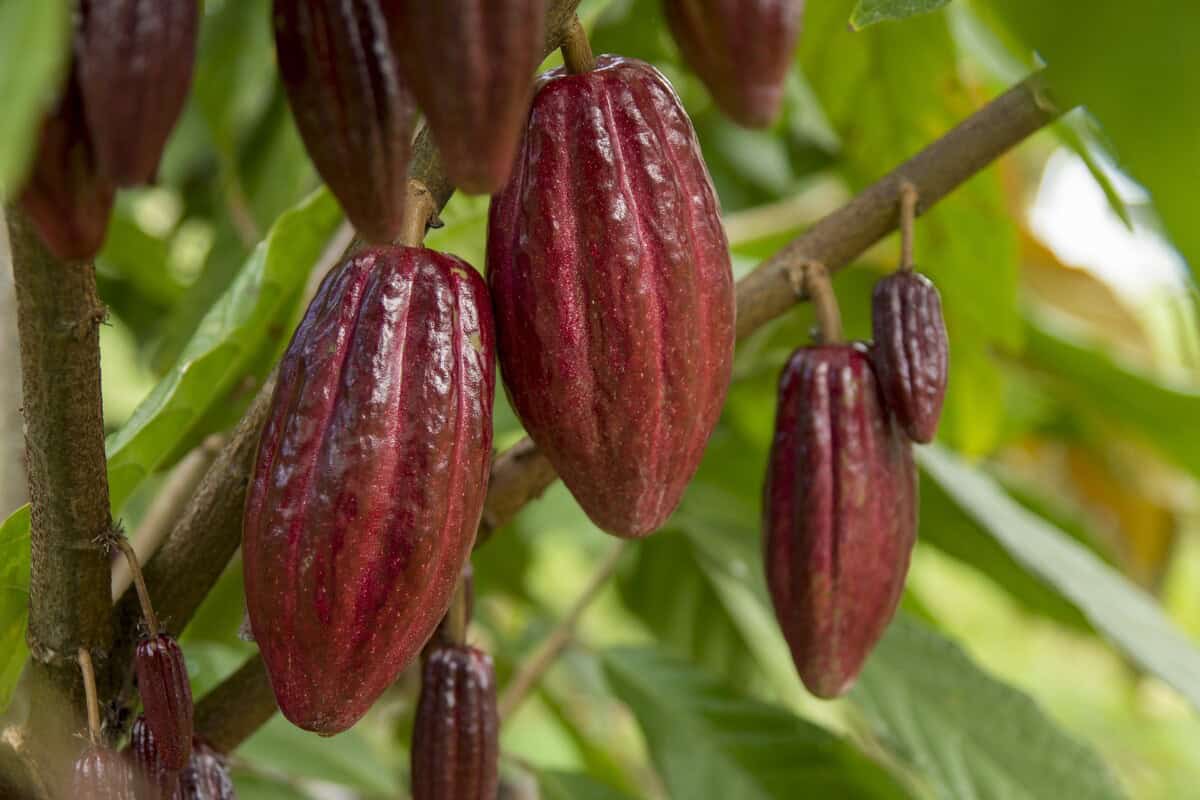
To fully appreciate the nuances of chocolate, let’s begin with a brief overview of its origins and components. Chocolate has a long and fascinating history, dating back thousands of years to the ancient civilizations of Mesoamerica. The key components of chocolate include cocoa powder, cocoa butter, and chocolate liquor, which are responsible for its unique flavors and textures. Additionally, chocolate comes in various flavors and taste profiles, ranging from bold and bitter to smooth and sweet.
Common Types of Chocolate
Dark Chocolate:
Dark chocolate boasts a rich and intense flavor, thanks to its high cocoa content. Not only does it satisfy the cravings of chocolate enthusiasts, but it also offers several health benefits.
Milk Chocolate:
With its creamy texture and mild sweetness, milk chocolate has won the hearts of confectionery lovers worldwide. It is a popular choice for chocolate bars, truffles, and other delectable treats.
White Chocolate:
White chocolate stands out with its unique composition, as it does not contain cocoa solids. Its smooth and velvety texture, coupled with a delicate sweetness, makes it a delightful indulgence.
Dark Milk Chocolate:
Combining the best of both worlds, dark milk chocolate strikes a perfect balance between the richness of dark chocolate and the creaminess of milk chocolate. It offers a nuanced flavor profile that appeals to a wide range of palates.
Ruby Chocolate:
A recent addition to the chocolate family, ruby chocolate boasts a natural pink hue and fruity flavor notes. Its distinct appearance and taste make it a captivating choice for those seeking a unique chocolate experience.
Couverture Chocolate:
With its high cocoa butter content, couverture chocolate is a favorite among chocolatiers and bakers. Its fluidity and glossy finish make it ideal for enrobing and creating intricate chocolate decorations.
Candy Coating Chocolate:
Candy coating chocolate serves a specific purpose in candy making and confectionery. It melts easily, creating a smooth and shiny coating for treats like cake pops and chocolate-dipped fruits.
Understanding Chocolate Varieties
Beyond the common types of chocolate, there are also various chocolate varieties that cater to different tastes and preferences. Let’s explore some of them:
Unsweetened Chocolate:
Unsweetened chocolate, also known as baking chocolate, delivers an intense cocoa flavor. It is a key ingredient in many baking recipes, adding depth and richness to cakes, cookies, and brownies.
Semisweet Chocolate:
With its moderate sweetness, semisweet chocolate offers versatility in both baking and snacking. It strikes a balance between bitter and sweet, making it a popular choice for chocolate chip cookies and ganaches.
Bittersweet Chocolate:
As the name suggests, bittersweet chocolate boasts a dark and robust flavor with minimal sugar. Its higher cocoa content lends a pleasantly bitter note, often paired with bold ingredients like espresso or chili.
Sweet German Chocolate:
Sweet German chocolate stands out with its distinctive sweetness and is commonly used in traditional German desserts like the famous Black Forest cake. Its smooth texture and mild flavor make it a beloved ingredient.
Chocolate Ingredients and Composition
To truly understand chocolate, it’s crucial to delve into its core ingredients and their contributions to its overall composition. Let’s explore each element:
Cocoa Powder:
Cocoa powder adds flavor and color to chocolate-based recipes. It is available in natural and Dutch-processed varieties, each offering distinct characteristics and uses.
Cocoa Butter:
Cocoa butter is responsible for the smooth texture and luxurious mouthfeel of chocolate. Its high fat content gives chocolate its melt-in-your-mouth quality.
Chocolate Liquor:
Chocolate liquor, sometimes referred to as cocoa mass, is a paste-like substance produced by grinding cocoa nibs. It forms the foundation of chocolate’s flavor and aroma.
Sugar:
Sugar plays a crucial role in chocolate by balancing the natural bitterness of dark chocolate and adding sweetness to milk and white chocolates.
Milk Powder:
Milk powder finds its way into milk and white chocolates, contributing to their creamy texture and enhancing the flavor profile.
Flavor:
In addition to the natural flavors derived from cocoa, chocolate can be infused with various other flavors. These can be natural extracts, such as vanilla, or artificial flavors that create unique taste combinations.
Composition:
Different types of chocolate have varying ratios of cocoa solids, cocoa butter, and sugar. These ratios determine the taste, texture, and overall characteristics of each variety.
Chocolate and Legal Requirements
Chocolate is subject to specific legal requirements and regulations in different regions. Here are some noteworthy guidelines:
Canada:
Chocolate in Canada is subject to specific regulations to ensure quality and safety.
European Union and United Kingdom:
The European Union and the United Kingdom have stringent standards regarding chocolate labeling and composition. These regulations help consumers make informed choices.
United States:
In the United States, the FDA provides guidelines for chocolate manufacturing and labeling, ensuring transparency and consumer protection.
FAQ:
What are the different types of chocolate?
How is dark chocolate different from milk chocolate?
What makes white chocolate unique?
What is dark milk chocolate, and how does it compare to other types?
What is ruby chocolate, and what does it taste like?
Can you tell me more about gianduja chocolate and its flavor profile?
What is couverture chocolate, and why is it favored by chocolatiers?
What is candy coating chocolate used for in candy making?
What is unsweetened chocolate, and what can I use it for in baking?
What is the difference between semisweet and bittersweet chocolate?
What are the characteristics of sweet German chocolate?
What are the key ingredients in chocolate?
How does cocoa powder contribute to the flavor and color of chocolate?
What role does cocoa butter play in the texture of chocolate?
What is chocolate liquor, and why is it important in chocolate making?
How does sugar affect the taste of different types of chocolate?
Why is milk powder added to milk and white chocolates?
Can you explain the importance of flavoring in chocolate?
What is the composition of different types of chocolate?
Are there any legal requirements or regulations related to chocolate?
How To Make Cream-Based Truffles
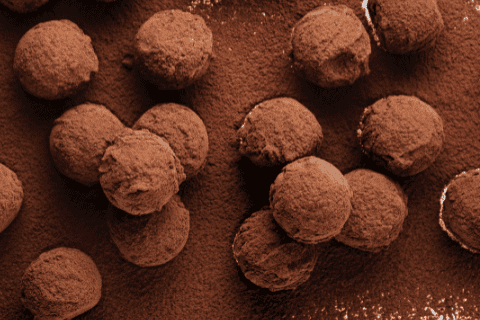
Decadent Dark Chocolate Truffles
Ingredients
Equipment
Method
- Place the finely chopped dark chocolate in a heatproof bowl.
- In a saucepan, heat the heavy cream over medium heat until it just begins to simmer. Remove from heat immediately.
- Pour the hot cream over the chopped chocolate. Let it sit undisturbed for a minute to allow the chocolate to soften.
- Gently stir the mixture using a spatula or whisk until the chocolate is completely melted and the mixture is smooth and glossy. If there are any remaining lumps, gently heat the mixture over a double boiler or in short bursts in the microwave, stirring frequently, until fully melted.
- Cover the bowl with plastic wrap and refrigerate for at least 2 hours or until the mixture is firm enough to handle.
- Once chilled and firm, remove the chocolate mixture from the refrigerator. Using a teaspoon or a melon baller, scoop small portions of the mixture and roll them into smooth balls between your palms. Place the truffles on a parchment-lined baking sheet.
- If desired, roll the truffles in cocoa powder or other desired toppings, such as melted chocolate, crushed nuts, shredded coconut, cocoa nibs, or sprinkles. Place them back on the baking sheet.
- Once all the truffles are coated, return them to the refrigerator for about 30 minutes to set.
- Store the dark chocolate truffles in an airtight container in the refrigerator until ready to serve. Allow them to sit at room temperature for a few minutes before serving to enhance the flavors.
Feel free to experiment with different coatings and fillings, such as dusting the truffles with powdered sugar or rolling them in finely chopped nuts. You can also infuse the cream with flavors like vanilla, coffee, or liqueurs for added depth and complexity.
Conclusion:
Congratulations on completing your journey through the delightful world of chocolate! We have explored various types, flavors, and ingredients that make chocolate a beloved treat worldwide. From rich and dark to smooth and creamy, the versatility of chocolate is unmatched. Whether you’re a chocolate lover, a baking enthusiast, or simply someone looking to satisfy their sweet tooth, this comprehensive guide has equipped you with valuable knowledge. Now it’s time to indulge in the diverse world of chocolate, experiment with different varieties, and create mouthwatering desserts. So go ahead, treat yourself and explore the endless possibilities that chocolate has to offer!